

 1. Blinded by Fear
“Blinded by fear” is one of those songs that just written very fast because the album was lacking something. When we wrote the record, we intended it to be a full-package classic record comparable to our favorite records. We aimed high to come somewhere in between I guess, but later on it has been rewarded by lots of praise. We really wrote the song as an opener, we wanted a fast straightforward easy track as the opener. In my world it's really the little brother of "Slaughter of the Soul" lyrically. It has the main themes from The Dice Man presented there too, only presented in an "easier" way as an introduction, almost like "Death and the Labyrinth" with At War with Reality. That's maybe what was in the back of my head when I wrote the lyrics to those songs too, because it's also nothing more than the introduction to the title-track. The "fear" of course is the darkness I saw in society at the time, so it's very personal "politics", I guess.
2. Slaughter of the
Soul
As you've said before when you were talking about The Dice Man (see pt.1 of the interview, link below), it's about the experiment of breaking down your character and your soul to be able to be "born again" and create yourself anew. It tries to ask the question as to what a soul is, for example, and all of these other questions just pop up. It starts like an experiment to see how far you can go into breaking down your own character and your own soul and I just transferred that experiment into death metal lyrics. I thought it worked pretty cool.
As you've said before when you were talking about The Dice Man (see pt.1 of the interview, link below), it's about the experiment of breaking down your character and your soul to be able to be "born again" and create yourself anew. It tries to ask the question as to what a soul is, for example, and all of these other questions just pop up. It starts like an experiment to see how far you can go into breaking down your own character and your own soul and I just transferred that experiment into death metal lyrics. I thought it worked pretty cool.
3. Cold
Lyrically, I wrote the song in about half an hour. The title is pretty self-explanatory. A lot of our songs are aggressive but this one is illustrates more of a feeling of having given up. I was watching a lot of those movies that came out in the mid-nineties: Boyz N the Hood, Menace to Society… all of those kinds of movies. I just gave up on a lot of mankind; I became very cynical when I wrote that song.
Lyrically, I wrote the song in about half an hour. The title is pretty self-explanatory. A lot of our songs are aggressive but this one is illustrates more of a feeling of having given up. I was watching a lot of those movies that came out in the mid-nineties: Boyz N the Hood, Menace to Society… all of those kinds of movies. I just gave up on a lot of mankind; I became very cynical when I wrote that song.
 4. Under a Serpent
Sun
4. Under a Serpent
SunActually, that's a song that ties together with the older lyrics of At the Gates, having references to Aleister Crowley and what I would call "Socialist Satanism" (laugh), not the sort of "personal" Satanism but rather philosophical and socialistic. It also goes back to the songs from With Fear I Kiss the Burning Darkness which has references to Aleister Crowleys' personal life as well: his soul-search through a lot of drug intake and whatnot, which tied in with the concept of the title track with the idea of destroying oneself and ones' soul to create something new.
 5. Into the Dead
Sky
5. Into the Dead
Sky“Into the Dead Sky” serves as the instrumental sister to "Under a Serpent Sun", because it's also about drugs and not just the good sides of it if you understand what I'm saying (laugh). So that was inspired a lot by the psychedelic bands in the 60s' and their way of looking at drugs actually. The booklet to the album included a quote by The 13th Floor Elevators Roky Ericksons' first band. He had a lot of weird ideas but when I was working on Slaughter of the Soul I was 22 years old and I was inspired by everything that impressed me. I would just be like "Oh shit, what is this!" and I would do something with that, whereas with At War with Reality I had really figured out what I really wanted to write about and made a concept about that. Back then I was like "Oh shit, this is cool!" and I did something with it, and it tied into a concept anyway, but lyrically I was just fired up and inspired by everything I found out at the time.
6. Suicide Nation
“Suicide Nation” is sort of a social comment. Sweden is a very safe country, but sometime in the late 80s' and early 90s', it felt as though Sweden had lost its "virginity" in a way. Everything was still in the 50s' in Sweden almost; it was very safe and kind of... boring in a way (laugh). It's still there but a lot stuff happened: our prime minister got killed in the late 80s' and a lot of other stuff happened that made us question stuff. So that kind of feeling, this deep darkness that was always buried underneath while this country was being portrayed as being "heaven on earth" and "socialist heaven". This was way before the internet so you couldn't google everything, but here was this thing going around at the time where Japan and Sweden had the two highest suicide rates in the world. Being such a "safe" country, this was always a disturbing fact for us. I don't know how that really is, but that’s' what inspired the song.
“Suicide Nation” is sort of a social comment. Sweden is a very safe country, but sometime in the late 80s' and early 90s', it felt as though Sweden had lost its "virginity" in a way. Everything was still in the 50s' in Sweden almost; it was very safe and kind of... boring in a way (laugh). It's still there but a lot stuff happened: our prime minister got killed in the late 80s' and a lot of other stuff happened that made us question stuff. So that kind of feeling, this deep darkness that was always buried underneath while this country was being portrayed as being "heaven on earth" and "socialist heaven". This was way before the internet so you couldn't google everything, but here was this thing going around at the time where Japan and Sweden had the two highest suicide rates in the world. Being such a "safe" country, this was always a disturbing fact for us. I don't know how that really is, but that’s' what inspired the song.
7. World of Lies
That's a punk song really (laugh). It could've just been Minor Threat or a song from the 80s' punk rock scene: the politicians are lying to you, everybody is lying to you... that kind of naïve, aggressive song (laugh). The lyrics are pretty straightforward on that one really.
That's a punk song really (laugh). It could've just been Minor Threat or a song from the 80s' punk rock scene: the politicians are lying to you, everybody is lying to you... that kind of naïve, aggressive song (laugh). The lyrics are pretty straightforward on that one really.
8. Unto Others
This one also goes back to the early days, as it is very anti-organized religion. That’s' the whole concept of the song. I actually haven't thought about that song for quite a while, some stuff on that kind of borders the writing style that I used on At War with Reality actually. It has this idea of breaking down dogmas that we don't really think about, stuff that have always been there so we don't even know that we could question them.
This one also goes back to the early days, as it is very anti-organized religion. That’s' the whole concept of the song. I actually haven't thought about that song for quite a while, some stuff on that kind of borders the writing style that I used on At War with Reality actually. It has this idea of breaking down dogmas that we don't really think about, stuff that have always been there so we don't even know that we could question them.
9. Nausea
Again, a very aggressive, hateful one. World of Lies and Nausea were written in the same kind of vein. It deals about questioning stuff like the media as well. It also has the whole idea that if you have a "materialistic safety" you'll feel good but of course you don't, you need some more values in life to not be nauseated by our life today. So it also questions our lifestyle, materialism and the Medias' role in feeding us needs we don't have.
Again, a very aggressive, hateful one. World of Lies and Nausea were written in the same kind of vein. It deals about questioning stuff like the media as well. It also has the whole idea that if you have a "materialistic safety" you'll feel good but of course you don't, you need some more values in life to not be nauseated by our life today. So it also questions our lifestyle, materialism and the Medias' role in feeding us needs we don't have.

10. Need
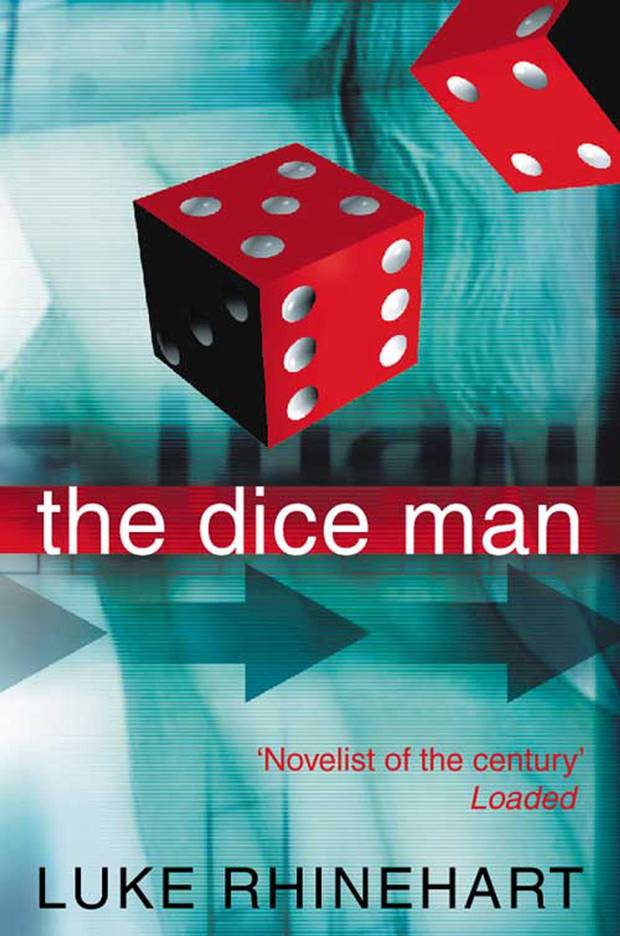
Lyrically, this one is actually almost our cover of "Killing yourself to live" by Black Sabbath. That's how that song started. It even has the line "Killing yourself to live" in it. It's the end part of the concept of the Dice Man idea, getting up the furthest point and asking yourself if you're capable of stepping over that line, into something else. It doesn't have to be suicide as the song sort of hints at, it's more about the idea of crossing that line.
Lyrically, this one is actually almost our cover of "Killing yourself to live" by Black Sabbath. That's how that song started. It even has the line "Killing yourself to live" in it. It's the end part of the concept of the Dice Man idea, getting up the furthest point and asking yourself if you're capable of stepping over that line, into something else. It doesn't have to be suicide as the song sort of hints at, it's more about the idea of crossing that line.
11. The Flames of
the End
This one kind of states "THIS is humanity, we are the flames of the end, we are the flesh that never rests": We are destroying ourselves and the world. That's the social comment on that one. The interesting thing with that song is also how it was written musically as well. Anders wrote everything at home, it was like a movie soundtrack that he did and we had a lot of fun with the guitar parts on that one too. All of that feedback is created live, with all of us wrestling with guitars in the studio. We thought that it was a great finale to the record that captured the mood really.
This one kind of states "THIS is humanity, we are the flames of the end, we are the flesh that never rests": We are destroying ourselves and the world. That's the social comment on that one. The interesting thing with that song is also how it was written musically as well. Anders wrote everything at home, it was like a movie soundtrack that he did and we had a lot of fun with the guitar parts on that one too. All of that feedback is created live, with all of us wrestling with guitars in the studio. We thought that it was a great finale to the record that captured the mood really.
Interview by
Robin Ono
Interview with Tomas Lindberg
Part I: http://tinyurl.com/o2f6yth
Part II: http://tinyurl.com/nfwcmsq
Be sure to
check the rest of the photos of the show on our facebook page at:
https://www.facebook.com/pages/Two-Guys-Metal-Reviews/120456451348727
https://www.facebook.com/pages/Two-Guys-Metal-Reviews/120456451348727
PS : A
huge thank you goes out toTomas
Lindberg, Martin Marx for her amazing work as well as to Deborah and the rest
of the Rockhal staff for their
incredible hospitality, without which this interview would've been possible.
At the Gates
Facebook
https://www.facebook.com/AtTheGatesOfficial
Official Website
http://atthegates.se/
https://www.facebook.com/AtTheGatesOfficial
Official Website
http://atthegates.se/


